 Domestic Market
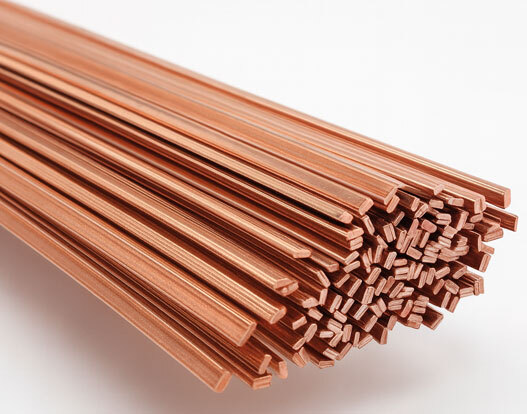
Copper brazing rods are widely used for joining metal parts in a clean and efficient way. They work by melting at high temperature and flowing into the gap between two metal surfaces, creating a strong bond without melting the base metal. This makes them ideal for applications where precision and neat finishing are important.
These rods are commonly used in plumbing, electrical systems, air conditioning work and general fabrication. They are known for producing leak-proof joints and maintaining the strength of the connected metals. For professionals who need reliable and long-lasting joints, copper brazing rods offer a practical and effective solution.
Key Features and Benefits
Copper brazing rods are designed to deliver consistent performance across different applications. Below are the key features and benefits:
- Strong and Reliable Joints: These rods create solid joints that can handle pressure, vibration and long-term use without failure.
- Smooth Flow and Gap Filling: The material melts easily and flows well into small gaps, ensuring proper bonding and reducing the chances of weak joints.
- Corrosion Resistance: Copper brazing rods offer good resistance to rust and environmental damage, helping increase the life of the joint.
- Good Electrical and Thermal Conductivity: They are suitable for applications requiring conductivity, such as electrical connections and heat transfer systems.
- Wide Range of Applications: Can be used on copper, brass and similar metals in industries like plumbing, refrigeration and fabrication.
Specifications
Copper brazing rod suppliers manufacture the rods with quality materials to ensure dependable results. Here are the main specifications:
| Specification | Details |
|---|---|
| Material Composition | Made from high-purity copper or copper-based alloys |
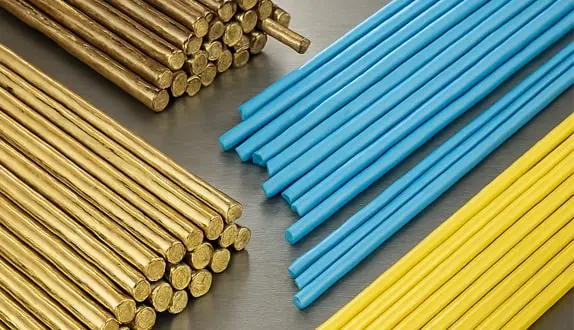
| Form | Supplied in rod form for easy handling and controlled application |
| Melting Range | Designed to melt at suitable brazing temperatures without affecting the base metal |
| Compatibility | Works well with copper, brass and other compatible metals |
| Application Method | Used with gas flame or other heat sources for brazing |
| Usage Areas | Suitable for plumbing, electrical work, HVAC and repair applications |
Properties
Copper brazing rods are known for their stable and performance-driven properties, which make them reliable for different uses:
- High Thermal Conductivity: Helps distribute heat evenly during the brazing process, allowing the filler material to melt and flow properly. This results in better joint formation, improved bonding and reduces the chances of weak or uneven joints.
- Strong Bonding Strength: Ensures a firm and secure connection between metal surfaces. The joint remains stable under pressure and stress, making it suitable for applications where strength and long-term reliability are important.
- Ductility and Flexibility: Allows the joint to absorb stress and slight movement without cracking or breaking. This property is useful in applications where metals may expand, contract or experience vibration during use.
- Resistance to Wear and Tear: Performs well in demanding conditions, including pressure, friction and regular use. This helps maintain the strength and quality of the joint over time, reducing the need for frequent repairs or replacements.
- Clean and Neat Finish: Produces smooth and uniform joints with minimal surface defects. This reduces the need for additional finishing work and gives a more professional and polished appearance to the final application.
Related Properties
To improve brazing results and ensure proper application, copper brazing rods are often used with supporting products:
- Copper and Brass Brazing Alloys: Used for joining copper and brass components with strong and reliable bonds in fabrication and repair work.
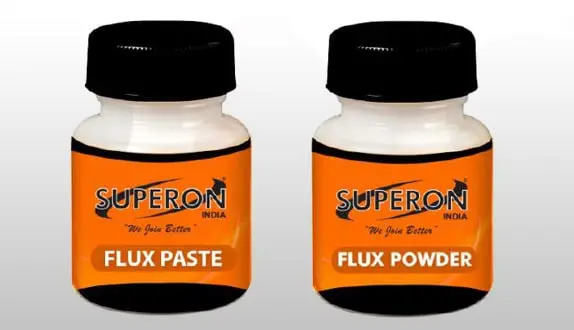
- Fluxes and Pastes: Help clean metal surfaces and improve the flow of brazing material for better joint quality.
- High Ag Brazing Alloys (Cadmium Free Grades): Provide high-strength joints without cadmium, making them safer and suitable for various applications.
- High Ag Cadmium Bearing Grades: Designed for specialised applications where specific performance properties are required.