 Domestic Market
Hardfacing Electrodes are important for protecting metal components in demanding industrial conditions, offering resistance against abrasion, impact, and wear. They help extend the service life of machinery, ensuring durability and reliability, while enabling smooth and consistent welding for long-lasting performance in heavy-duty applications.
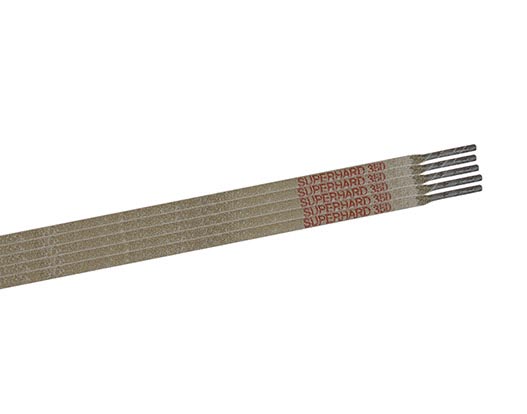
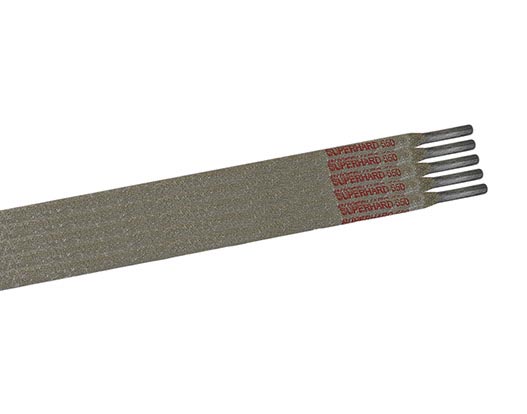
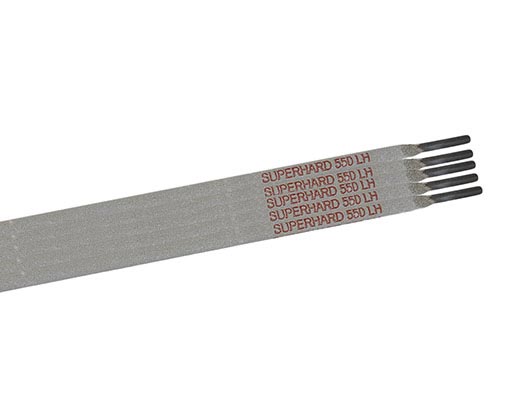
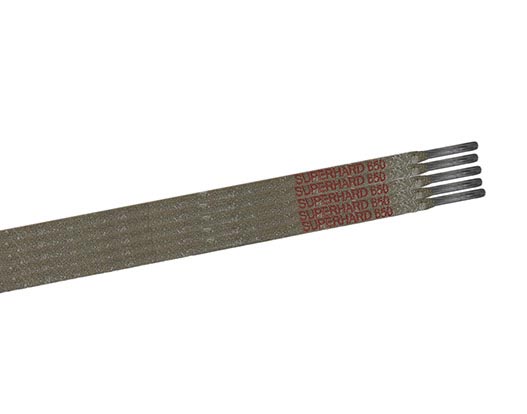
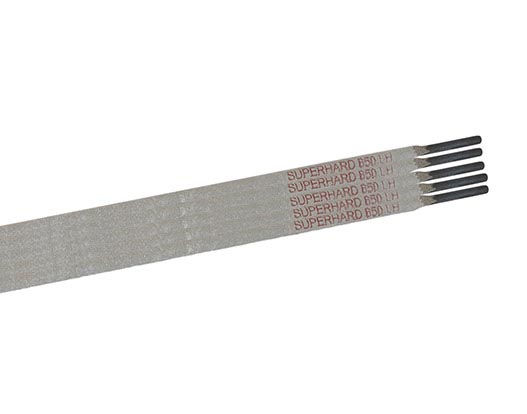
Hardfacing Electrodes for Superior Resistance to Tough Environments
SuperonTechnik, a trusted Hardfacing Electrode manufacturer in India, offers a wide range of durable solutions for mining, cement, construction, agriculture, and heavy engineering industries. Their electrodes deliver exceptional wear and corrosion resistance, withstand high temperatures, ensure strong bonding, stable arc performance, and provide long-lasting protection against abrasion and impact.
Types of Hardfacing Electrodes
Superon offers a wide range of Hardfacing Electrodes designed to meet the demands of various industries, from construction and mining to agriculture and heavy engineering. These electrodes are specially formulated to provide excellent wear resistance, strong bonding, and long-lasting durability under different working conditions.
- Superhard 350 / Superhard 350LH – Perfect for moderate abrasion and low-impact environments, making it ideal for agricultural tools, scrapers, and blades.
- Superhard 550 / Superhard 550LH – Suitable for high-abrasion, moderate-impact applications, commonly used in mining machinery, excavator buckets, cutting edges, and crusher parts.
- Superhard 650 / Superhard 650LH – Offers maximum wear resistance for the toughest conditions, including quarrying, mineral processing, and heavy-duty industrial operations.
Applications of Hardfacing Cladding Electrodes and Welding Rods
Hardfacing cladding electrodes are essential for industries where machinery and components face wear, impact, corrosion, or high temperatures.
- In the mining industry, they protect excavator bucket lips, dragline equipment, crusher hammers, and conveyor screws from constant abrasion caused by stones, minerals, and soil.
- In the cement industry, feeder screws, clinker crushers, and raw mill components are exposed to high temperatures and abrasive materials. Hardfacing Electrodes help these parts last longer and maintain consistent performance.
- For construction and earthmoving machinery, bulldozer blades, loader buckets, and road milling teeth face continuous friction and heavy impact on rough terrain. Using the right electrode improves durability and reduces downtime.
- In agriculture, plough blades, harrow discs, and cultivator shovels benefit from hardfacing by extending their working life and lowering replacement costs.
- Even in steel and sugar plants, equipment such as cane cutters, mill roller shells, and wear plates requires protection from corrosion and wear in wet or chemical environments.
Choosing the correct Hardfacing Electrode or rod for each application not only increases equipment life but also ensures smooth operations, reduces maintenance, and improves efficiency across mining, cement, agriculture, and construction sectors.
How to Choose the Right Hardfacing Cladding Electrode or Rod
Choosing the right Hardfacing Electrode is essential for extending equipment life and ensuring smooth operations. Consider the following points when selecting a rod:
- Identify the type of wear – Determine whether the component faces abrasion, impact, corrosion, or high temperatures.
- Match the base metal – Ensure compatibility with carbon steel, stainless steel, cast iron, or low-alloy steel.
- Check the welding position – Some electrodes work only in flat positions, while others are suitable for all positions.
- Select the appropriate hardness – Higher hardness is ideal for severe abrasion, while balanced hardness suits impact-prone parts.
- Choose based on the welding process – Consider manual welding, MIG, or flux-cored hardfacing depending on your equipment and skill level.
- Ease of use – Look for electrodes that provide a stable arc, minimal spatter, and smooth deposit for better efficiency.
- Consider maintenance frequency – Heavily worn parts may require harder overlays or double-layer deposits for longer service life.
Why Choose Superon Technik for Hardfacing Electrodes
Superon Technik is a trusted choice for welding professionals because of its commitment to quality, performance, and reliability. When you choose Superon, you benefit from products and services designed to make your fabrication work smoother and more efficient.
- Consistent Quality: Every Hardfacing Electrode performs reliably, ensuring stress-free projects.
- Transparent Pricing: One-country-one-price across India guarantees fair and uniform rates.
- Easy Availability: Multiple buying options make it quick and convenient to access products wherever you are.
- All-in-One Solutions: A complete range of stainless steel consumables eliminates the need for multiple suppliers.
- Superior Performance: Electrodes provide excellent wear resistance, strong bonding, and reduced cracking.
- High Productivity: Efficient deposition saves time and extends component life.
- Proven Expertise: ISO-certified manufacturing and advanced R&D ensure consistent quality and performance.
Industry-Tested: Trusted across mining, cement, construction, sugar, and power sectors for over two decades.
-
Where is a Hardfacing Electrode used?A Hardfacing Electrode is used on components that face heavy wear, friction, or impact. This includes excavator buckets, crusher hammers, bulldozer blades, plough tools, conveyor parts, and industrial rollers. Using the right electrode strengthens the surface and significantly extends the life of equipment in industries like mining, cement, steel, and construction.
-
What are the different types of Hardfacing Electrodes?Hardfacing Electrodes come in a range of options designed for different wear conditions. Popular products include Superon Superhard 350, Superon Superhard 550, Superon Superhard 550LH, Superon Superhard 650 and Superon Superhard 650LH. Each electrode provides unique wear resistance and is suited for specific industrial applications, from moderate abrasion to high-impact heavy-duty conditions.
-
Can Hardfacing Electrodes be used on high-carbon steel?Yes, they can. When preheating and correct welding techniques are applied, Hardfacing Electrodes create a strong bond and prevent cracking. Always make sure the electrode is compatible with the base metal before welding.
-
How do I select the right Hardfacing or Cladding Welding Rod?Start by identifying the type of wear, the base metal, and the welding position. Then consider the required hardness and the component’s working environment. Choosing a rod that balances hardness and toughness ensures long-lasting performance. Superon offers a variety of options tailored to different industrial needs.
-
What is the hardness range of Hardfacing or Cladding Electrodes?Hardfacing and cladding electrodes generally range from 30 HRC to 65 HRC. Lower hardness levels work well for impact resistance, while higher hardness is best for abrasive conditions. Superon provides rods across the full hardness spectrum to suit every requirement.