
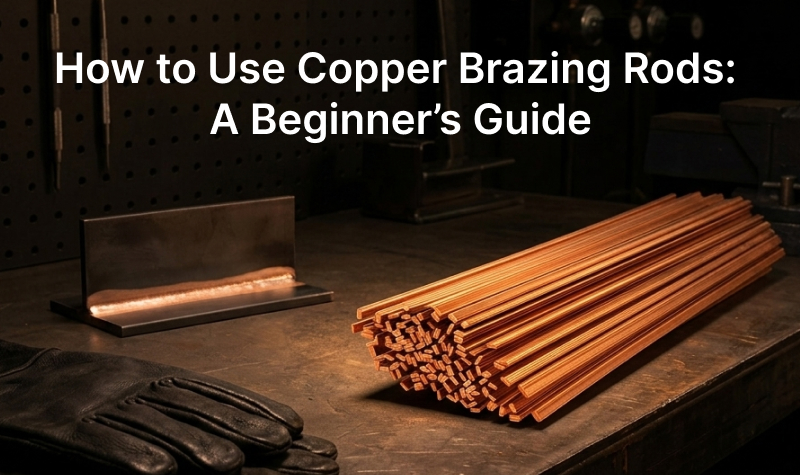
Joining copper components is common in plumbing, refrigeration, HVAC systems and metal fabrication. Copper pipes, fittings and connectors often need strong joints that can handle pressure, temperature changes and long-term use. One of the most reliable methods for joining these parts is brazing.
Brazing creates strong joints by melting a filler metal into the gap between two metal pieces without melting the base metal itself. A copper brazing rod is used as the filler metal in this process. When heated, the rod melts and flows into the joint, forming a solid bond once it cools.
For beginners, learning the correct method of brazing copper is important to create strong, leak-free joints. With the right technique and quality brazing consumables from Superon Technik, fabricators and technicians can achieve reliable results in plumbing, HVAC and industrial applications.
What Is a Copper Brazing Rod?
A copper brazing rod is a filler metal used during the brazing process to join copper or copper alloy parts. Unlike welding, the base metals are not melted. Instead, the brazing rod melts and flows into the joint through capillary action.
Once the molten filler metal cools, it forms a strong bond between the copper components.
Copper brazing rods are widely used in applications such as:
- Plumbing pipe installations
- Air conditioning and refrigeration systems
- Heat exchangers
- Electrical components
- Industrial fabrication
Manufacturers supply brazing consumables designed to support reliable metal joining processes across industries. Using a high-quality brazing rod ensures better flow, stronger joints and consistent performance.
Why Brazing Is Preferred for Copper
Copper can be joined using welding, soldering or brazing. However, brazing offers several advantages when working with copper materials.
Stronger Joints Than Soldering
Soldering uses lower temperatures and softer filler metals. Brazing operates at higher temperatures and uses stronger filler materials, which results in joints capable of handling higher pressure.
Less Distortion in the Base Metal
Since the base metal does not melt during brazing, the copper parts maintain their original structure. This helps prevent warping and damage.
Leak-Resistant Connections
Proper brazing of copper produces airtight and watertight joints. This is important in plumbing and refrigeration systems, where even small leaks can cause major problems.
Suitable for Different Thicknesses
Brazing works well with both thin copper pipes and thicker copper fittings. This flexibility makes it useful in many fabrication and maintenance tasks.
Tools and Materials Needed for Brazing Copper
Before starting the brazing process, it is important to prepare the necessary tools and materials.
Copper Brazing Rod
The copper brazing rod acts as the filler metal that forms the joint. Selecting a high-quality rod helps ensure smooth flow and strong bonding.
Torch
A torch provides the heat needed to melt the filler metal. Propane or oxy-acetylene torches are commonly used, depending on the thickness of the copper.
Flux
Flux is applied to the joint area to prevent oxidation during heating. It also helps the molten filler metal flow easily into the joint.
Cleaning Tools
Wire brushes, sandpaper or cleaning pads are used to remove dirt, grease and oxidation from the copper surface.
Protective Equipment
Safety glasses, heat-resistant gloves and proper ventilation are important when working with brazing equipment.
Using reliable brazing materials from Superon Technik helps ensure consistent performance during the brazing process.
Preparing Copper Surfaces for Brazing
Proper preparation plays a key role in achieving strong brazed joints. Even a high-quality copper brazing rod will not perform well if the surfaces are not prepared correctly.
Clean the Copper Surface
The copper parts must be cleaned thoroughly before heating. Dirt, oil and oxidation can prevent the filler metal from bonding properly. A wire brush or abrasive pad works well for cleaning copper pipes and fittings.
Ensure Proper Joint Fit
The copper parts should fit closely while leaving a small gap between them. This gap allows the molten filler metal to flow through the joint using capillary action. If the gap is too large, the filler metal may not spread evenly.
Apply Flux
Flux should be applied to the joint area before heating begins. It protects the metal from oxidation and supports smooth filler metal flow during brazing copper.
Step-by-Step Process for Brazing Copper
Follow these steps to achieve a leak-proof, high-strength bond when brazing copper components.
Step 1: Assemble the Joint
Position the copper parts correctly before heating. Proper alignment ensures the filler metal flows evenly around the joint. Once heating begins, the components should not be moved.
Step 2: Heat the Joint Area
Use the torch to heat the copper parts evenly. The goal is to heat the base metal rather than the brazing rod itself. Moving the flame around the joint helps distribute heat evenly.
Step 3: Apply the Copper Brazing Rod
Once the metal reaches the right temperature, touch the copper brazing rod to the joint. The heat from the metal will melt the rod. The molten filler metal should begin flowing into the joint.
Step 4: Allow Capillary Action to Work
During brazing copper, the melted filler metal spreads naturally through the joint gap due to capillary action. Continue applying the rod until the joint is fully filled.
Step 5: Allow the Joint to Cool
Remove the heat and allow the joint to cool naturally. Sudden cooling can weaken the bond. After cooling, clean off any leftover flux from the surface.
By prioritising even heat distribution and natural cooling, you create a reliable, pressurised connection built to last.
Conclusion
Brazing is a reliable and widely used method for joining copper components in plumbing, HVAC systems and metal fabrication. By using a copper brazing rod, technicians can create strong joints without melting the base metal.
For beginners, mastering brazing copper requires proper surface preparation, controlled heating and correct filler metal application. Following the right process helps ensure smooth filler flow and durable connections. With practice and the use of reliable brazing consumables, professionals can produce strong, leak-free joints that perform well in demanding industrial and mechanical applications.