Preparing metal for a fresh coat of paint or a restoration project begins with effective stripping. A paint stripper is a specialised solution used to peel away old, stubborn layers without damaging the underlying surface. Whether you are refurbishing industrial machinery or restoring an automotive classic, choosing the right stripper is vital for efficiency.
If you are looking for how to strip paint off metal, understanding paint strippers and their benefits can make the process faster, safer and more effective.
Understanding a Paint Stripper
A paint stripper is a chemical formulation designed to soften or dissolve paint so it can be removed from a surface. When applied to metal, the stripper penetrates the coating and weakens the bond between the paint and the base material. Within a few minutes, the paint begins to bubble, wrinkle or lift. This indicates that the chemical reaction has started and the paint can be removed with a scraper or brush.
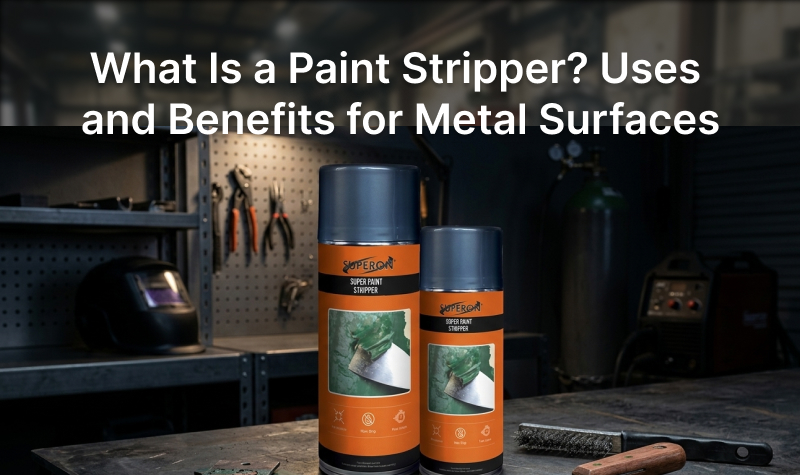
Modern paint removers are widely used in metal fabrication, automotive repair and equipment maintenance. Super Paint Removal from Superon Technik is designed to break down stubborn paint and varnish quickly while leaving the base metal intact. These solutions use advanced solvents and cellulosic agents that loosen tough coatings and make removal faster and cleaner.Why Paint Needs to Be Removed from Metal
Removing paint from metal is not only about improving appearance. It also helps maintain the strength and reliability of the metal surface.
Surface Preparation for Repainting
Paint adheres best to a clean surface. If the existing paint layer is damaged or peeling, applying new paint on top will not last long. Stripping the old paint allows the new coating to bond directly with the metal, improving durability and finish quality.
Rust Inspection and Treatment
Rust often develops under cracked paint layers. Removing the paint exposes the metal, allowing rust spots to be detected and treated early. This process is common in maintenance work involving metal gates, pipelines, machinery and automotive components.
Preparation for Welding
Paint should always be removed before welding. Coatings can release fumes and contaminants when exposed to welding heat. Clean metal surfaces help welders produce stronger and safer joints during fabrication.
Types of Paint Strippers Used on Metal
Different types of paint strippers are available depending on the type of coating and the application.
Solvent-Based Paint Strippers
These are the most powerful paint removers. They dissolve thick coatings such as epoxy, enamel and industrial paints. Solvent-based strippers are often used in workshops and industrial environments where heavy coatings must be removed quickly.
Caustic Paint Strippers
Caustic paint removers contain alkaline chemicals that break down paint layers. They are effective on oil-based paints and older coatings. However, they must be used carefully since some metals can react with strong alkaline solutions.
Spray-Based Industrial Paint Removers
Spray paint removers are designed for easier application on complex metal surfaces. Super Paint Removal from Superon Technik provides a fast-acting, non-drip formula that works well even on vertical surfaces.
This type of formulation clings to the painted area and allows the chemical to penetrate the coating without running off. It is commonly used for removing paint, varnish, gaskets and even carbon deposits from machinery parts.
How to Strip Paint Off the Metal
Learning how to strip paint off the metal properly ensures the process is safe and effective.
Step 1: Prepare the Work Area
The workspace should be well ventilated. Protective gloves and safety glasses should also be used before handling paint removal chemicals.
Step 2: Apply the Paint Stripper
The paint stripper can be brushed or sprayed onto the painted surface. Spray formulations are often preferred because they provide even coverage and are easier to apply to vertical parts.
Step 3: Allow the Chemical to Work
The stripper needs time to penetrate the coating. Within a few minutes, the paint will begin to bubble or lift from the metal surface.
Step 4: Remove the Paint
A scraper or a wire brush can be used to remove the softened paint. For thicker coatings, the best way to strip paint from metal can be to repeat the process.
Step 5: Clean the Surface
Once the paint is removed, the metal surface should be wiped clean to remove any remaining residue before repainting or welding.
Benefits of Using Paint Strippers on Metal
Paint strippers offer several advantages compared to manual paint removal techniques.
Faster Surface Preparation
Chemical strippers can break down thick coatings within minutes. This saves time during maintenance and repair work.
Reduced Damage to Metal
Grinding and aggressive sanding can scratch the metal surface. Paint strippers remove coatings without excessive abrasion.
Effective on Complex Shapes
Metal components often have corners, grooves and curves that are difficult to sand. Paint removers can easily reach these areas.
Removes Multiple Layers
Older metal structures may have several layers of paint. Chemical stripping can dissolve these layers faster than manual methods.Where Paint Strippers Are Commonly Used
Paint stripping is widely used across many industries that require metal maintenance and fabrication.
Some common applications include:
- Automotive repair and restoration
- Industrial machinery maintenance
- Construction and renovation projects
- Pipeline and equipment maintenance
In these environments, fast-acting paint removers help technicians remove old coatings quickly so surfaces can be repaired, welded or repainted efficiently.
Conclusion
Removing old paint is an essential step in metal maintenance, restoration and fabrication. Damaged coatings can hide rust, weaken paint adhesion and interfere with welding or repair work. Using a paint stripper provides an effective solution for how to strip paint off metal quickly and safely. Chemical removers soften the paint layer so it can be removed without damaging the metal surface.
For most applications, the best way to strip paint off metal involves chemical stripping followed by light cleaning or sanding. This process prepares the surface properly for repainting, welding or refinishing. With reliable paint removal solutions, professionals can remove stubborn coatings efficiently and prepare metal surfaces for the next stage of fabrication or finishing.