Selecting the right tool for material removal and finishing has a direct impact on productivity, surface quality and safety. Fabricators commonly decide between a flap disc and a grinding wheel because each is designed for specific metalworking tasks. Understanding how these tools differ in speed, control and finish helps achieve consistent results and maintain an efficient workflow. A clear comparison makes it easier to choose the most suitable option for different fabrication and maintenance requirements.
What Are Flap Discs?
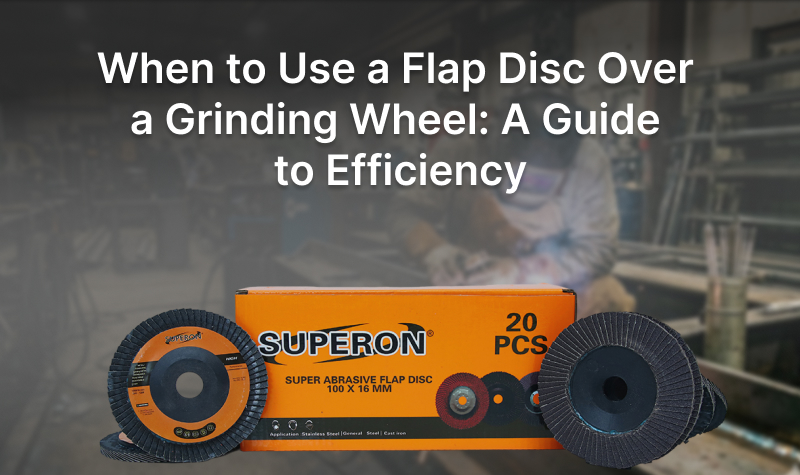
Flap Discs are tools made from multiple overlapping layers of coated abrasive material fixed to a backing plate. As the outer layers wear during use, fresh abrasive grains are continuously exposed, helping maintain a steady cutting performance. This design allows Flap Discs to perform grinding, blending and finishing in a single step, reducing the need to switch tools. They are commonly used in fabrication, weld preparation and surface finishing because they provide controlled material removal and a smoother finish while reducing the risk of damaging the work surface.
Understanding Grinding Wheels
Grinding Wheels are power tools designed for heavy material removal, shaping and surface preparation in metalworking. They are made from bonded abrasive grains that cut aggressively when rotated at high speed. These wheels are commonly used for removing excess weld metal, smoothing rough edges and preparing surfaces before further finishing. Grinding wheels are widely used in fabrication, repair and maintenance work due to their strong cutting ability. They support durability, fast stock removal and consistent performance in demanding applications where efficient material removal is essential.
Flap Disc and Grinding Wheel: Cost And Productivity Comparison
Selecting between Flap Discs and Grinding Wheels is often related to application needs, workflow and long-term efficiency. Both tools are widely used in fabrication and surface preparation and each offers distinct advantages depending on the task, finish expectations and operating conditions.
| Factor | Flap Disc | Grinding Wheel |
| Typical Use | Grinding, blending and finishing in one step | Heavy material removal and aggressive grinding |
| Initial Cost | Slightly higher per disc | Usually lower per wheel |
| Tool Life | Gradual wear exposes new abrasive layers | Wears down faster and may need replacement sooner |
| Finish Quality | Produces a smoother surface finish | Produces a rougher finish that may need further work |
| Productivity | Fewer tool changes due to multi-purpose use | May require switching between tools for finishing |
| Ease of Use | Easier control and reduced vibration | Strong cutting ability for demanding jobs |
| Best Work Environment | Fabrication, weld blending, finishing tasks | Heavy grinding and stock removal tasks |
Both Flap Disc vs Grinding Wheels play an important role in metal fabrication. With Superon Technik, the right choice depends on the job requirement, desired finish and workflow priorities, helping ensure efficient and consistent results across different applications.
When to Use a Flap Disc?
Flap Discs are chosen when the priority is control, precision and a refined surface finish during fabrication and finishing tasks.
- Weld Finishing: Used to smooth welded joints, remove minor irregularities and maintain the base material while achieving a consistent finish.
- Stainless Work: Helps control heat input, reduce discolouration, maintain corrosion resistance and avoid deep scratches on stainless steel surfaces.
- Surface Preparation: Removes small imperfections, creates a uniform texture and improves paint or powder-coating adhesion.
- Edge Deburring: Provides better control for smoothing edges and reduces the risk of gouging during edge grinding.
- Multi-Step Efficiency: Combines grinding and finishing in one tool, reducing tool changes and saving time during fabrication.
Flap Discs are ideal for finishing-focused applications that demand accuracy, smoother surfaces and better control.
When to Use a Grinding Wheel?
Grinding Wheels are preferred for aggressive material removal and heavy-duty industrial fabrication work.
- Weld Removal: Quickly removes large weld deposits and handles high-pressure grinding in demanding conditions.
- Heavy Fabrication: Suitable for shaping thick components and preparing rough metal surfaces.
- Surface Cleaning: Removes rust, mill scale and contaminants before welding to improve weld fusion.
- Metal Shaping: Used for reshaping components, correcting fabrication errors and preparing bevels.
- High-Volume Grinding: Preferred in large workshops where speed, durability and continuous grinding performance are required.
Grinding Wheels are best suited for demanding tasks that require speed, durability and high material removal rates. As trusted grinding wheel manufacturers, Superon Technik provides solutions designed to support consistent performance across fabrication, repair and maintenance applications.
Safety and Practices While Using Flap Discs and Grinding Wheels
Using abrasive tools safely is essential for consistent results, longer tool life and operator protection. Whether using a Flap Disc or a Grinding Wheel, following proper safety practices helps reduce risk and improve efficiency in fabrication work.
- Use Correct PPE: Always wear safety goggles or a face shield to protect against sparks and flying particles. Gloves, hearing protection and flame-resistant clothing help reduce injury risk during grinding operations.
- Inspect Tools Before Use: Check discs and wheels for cracks, chips or damage before mounting. Never use a damaged abrasive tool, as it may break during operation.
- Match Speed Ratings: Ensure the tool’s RPM rating matches or exceeds the grinder speed. Using a disc with a lower speed rating can lead to tool failure and safety hazards.
- Mount Properly: Install discs and wheels according to the manufacturer's instructions. Tighten securely but avoid overtightening, which may damage the tool.
- Maintain Correct Angle: Flap Discs typically perform best at a shallow angle, while Grinding Wheels are used at a steeper angle for material removal. Correct positioning improves performance and reduces wear.
- Apply Controlled Pressure: Avoid excessive pressure. Let the abrasive do the work to prevent overheating, tool damage and surface defects.
- Ensure Proper Ventilation: Grinding produces dust and fumes. Work in well-ventilated areas or use dust extraction systems to maintain air quality.
- Secure the Workpiece: Clamp the material firmly before grinding to prevent movement and improve control.
- Allow Cooling Time: Continuous grinding generates heat. Take short breaks to prevent overheating of both the tool and the workpiece.
- Store Tools Safely: Keep abrasive discs in a dry, clean environment away from moisture and impact to maintain performance and safety.
Following these safety practices helps improve productivity, protect operators and ensure reliable performance during grinding and finishing tasks.
Conclusion
Selecting between a Flap Disc and a Grinding Wheel ultimately depends on the task and the finish required. Grinding Wheels are well-suited for rapid material removal and demanding fabrication work, while Flap Discs support controlled grinding, blending and surface finishing. Understanding what Flap Discs are used for, the differences in Flap Disc vs Grinding Wheel and the various flap wheel uses helps improve accuracy, productivity and surface quality. With the right technique and reliable products, operators can achieve consistent results while maintaining efficiency across a wide range of metalworking applications.