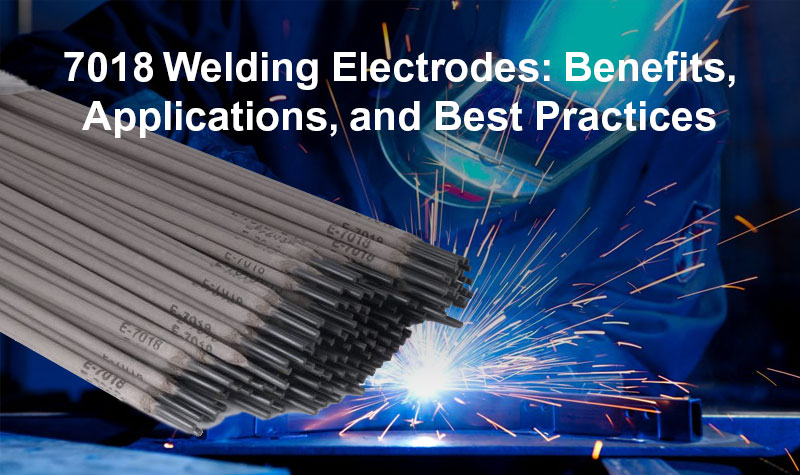
The 7018 welding rod is widely used in fabrication and industrial work because it provides a stable arc and produces strong, crack-resistant welds. It performs well on carbon steel and low-alloy steel sections, making it suitable for structural frames, machinery parts, pressure components, and other load-bearing applications. Its low-hydrogen coating supports uniform weld quality and helps reduce the chances of defects during demanding jobs. Fabricators across India rely on Superon’s 7018 electrodes for steady, dependable weld performance in routine and heavy-duty welding conditions.
What is a 7018 Welding Rod?
A 7018 welding rod is a low-hydrogen, iron-powder-coated electrode used to produce strong, crack-resistant welds. It is widely preferred for structural and industrial work because it maintains stable performance even when the job involves heavier sections or higher stress levels. The arc is smooth and controlled, and the weld bead remains clean, making the electrode suitable for carbon and low-alloy steel components.
- The numbers in “7018” indicate specific properties of the electrode:
- 70 represents a minimum tensile strength of 70,000 psi
- 1 means it can be used in all welding positions
- 8 refers to its low-hydrogen, iron-powder coating
These characteristics make the 7018 electrode a reliable choice for joints that need consistent strength and long-term durability.
Key Specifications of 7018 Welding Rod
Knowing the key specifications of a 7018 electrode helps welders select the right rod size and settings for different welding conditions. These properties also determine how the rod performs on various steel sections.
Mechanical Properties
- Tensile Strength: Around 70,000 psi, suitable for load-bearing work
- Yield Strength: Typically 58,000 psi
- Elongation: Good ductility, supporting better structural performance
- Hydrogen Content: Very low, which helps reduce cracking in critical joints
Diameter Options
7018 rods are available in 2.5 mm, 3.15 mm, 4.0 mm, and 5.0 mm diameters. These sizes cover light fabrication as well as heavy structural welding.
Recommended Current Range
- 2.5 mm: 70–100 A
- 3.15 mm: 100–130 A
- 4.0 mm: 130–160 A
- 5.0 mm: 160–200 A
These ranges help maintain proper penetration and arc control.
Certifications Followed by Manufacturers
Most quality 7018 electrodes meet:
- AWS A5.1
- ISO welding standards
- BIS specifications
- IBR and IRS approval
These certifications ensure consistent performance and compliance with industrial requirements. Superon’s 7018 electrodes follow these standards to ensure consistent weld quality across varied fabrication needs.
Quick Reference Table
The following table provides a simple overview of diameter options, current compatibility, and typical applications:
| Diameter | Current Type |
| 2.5 mm | AC or DC |
| 3.15 mm | AC or DC |
| 4.0 mm | AC or DC |
| 5.0 mm | AC or DC |
These parameters help welders match the rod to the job and maintain steady, dependable weld quality across different applications.
Primary Uses and Applications of 7018 Welding Rod
The 7018 welding rod is used across many fabrication and industrial settings because it delivers a steady arc and produces strong, reliable welds. Its low-hydrogen coating helps reduce defects, making it suitable for applications where joint strength and long-term durability are important.
- Structural Fabrication: 7018 electrodes are commonly used for welding beams, columns, trusses, and other load-bearing members. They maintain good penetration and produce clean weld beads, which helps in high-rise construction, bridge work, and general structural fabrication.
- Pressure Vessels and Pipelines: The rod supports crack-resistant welds that can handle pressure and temperature variations. This makes it suitable for pipelines, boiler components, pressure tanks, and similar applications that require dependable joint integrity.
- Shipbuilding: In shipyards and offshore fabrication, the electrode performs well on structural steel sections exposed to moisture, impact, and corrosive conditions. It is used for welding ship frames, decks, and support structures.
- Heavy Machinery Manufacturing: Cranes, excavators, earthmoving equipment, and industrial machines need joints that can sustain repeated loading. The 7018 rod provides the strength and consistency needed for these components.
- Power Sector and Railways: Power plants, railway workshops, and various fabrication units prefer 7018 rods for their stable arc, controlled heat input, and ability to deliver uniform welds on critical parts.
These e7018 welding rod uses show why the electrode remains a dependable choice for fabricators working on high-performance, long-lasting welding applications across India.
Benefits of Using 7018 Welding Rod
The 7018 welding rod is preferred for many fabrication and industrial jobs because it delivers dependable weld quality and consistent performance. Its low-hydrogen coating and balanced arc characteristics support strong, uniform welds across different working conditions.
- High Tensile Strength: The weld metal can handle heavy loads, making it suitable for structural and high-stress applications.
- Crack Resistance: Low hydrogen levels help reduce the chances of hydrogen-induced cracking, especially in thicker sections.
- Smooth Arc Control: The electrode maintains a stable arc, allowing better control during root passes and final welding.
- Low Spatter Levels: Minimal spatter reduces cleanup time and helps maintain a cleaner work area.
- Long-Term Durability: Welds remain stable and retain their strength over extended periods of use.
- All-Position Capability: The rod can be used in flat, horizontal, vertical, and overhead positions.
- Clean Weld Appearance: Beads are uniform and neat, which is important in visible or critical joints.
These advantages make the 7018 welding rod a reliable choice for welders who need consistent strength and clear, defect-free results.
Best Practices for Using 7018 Welding Rod
Certain practices help maintain the performance of a 7018 electrode and support cleaner, stronger welds across different applications.
- Correct Amperage Selection: The welding current should match the rod diameter to avoid overheating, excessive spatter, or lack of fusion. Proper amperage also helps keep the arc steady.
- Storage and Baking Procedures: 7018 rods need dry storage because the coating can absorb moisture. When required, electrodes are baked at around 250°C to restore their low-hydrogen properties and prevent cracking in the weld.
- Preheating Guidelines: Thicker plates and higher-strength steels often need preheating to reduce cooling stress. Keeping a consistent interpass temperature helps control heat flow and minimise weld defects.
- Surface Preparation: Clean, dry surfaces improve arc stability and weld quality. Removing rust, paint, oil, and moisture from the base metal supports better penetration and reduces porosity.
Safety and Handling Tips
- Use appropriate PPE
- Maintain proper ventilation when working indoors
- Handle electrodes with clean, dry gloves
- Keep a short arc length for stable weld formation
These practices help ensure uniform weld quality and reduce the risk of defects when using 7018 electrodes.
Common Mistakes to Avoid When Using 7018 Rods
Certain mistakes can affect weld quality when using 7018 electrodes, especially if the rod or base metal is not properly prepared. Some of the common mistakes include:
- Using rods exposed to moisture without baking them, which increases the risk of hydrogen cracking
- Welding on dirty or coated surfaces where rust, paint, or oil restricts proper fusion
- Incorrect amperage selection that leads to overheating, poor bead formation, or lack of penetration
- Skipping preheating on thick or high-strength materials can cause stress in the weld area
- Maintaining a long arc, which increases spatter and creates porosity
- Using expired or moisture-damaged electrodes, which compromises arc stability
Addressing these issues helps maintain clean, strong welds and supports consistent performance on structural and industrial work. Using high-quality electrodes, such as those from Superon, helps reduce many of these issues during routine fabrication work.
Comparison: 7018 Welding Rod vs Other Electrodes
Different electrodes are used for different types of welding work, and each one offers its own advantages. The comparison below gives a simple view of how 7018 electrodes differ from a few commonly used rods.
| Electrode | Strength | Penetration | Arc Characteristics | Typical Use |
| 7018 | High | Medium | Smooth, stable | Structural and critical welding |
| 6010 | Medium | Deep | Aggressive arc | Root pass, pipe welding |
| 6011 | Medium | Deep | Suitable for AC | Repair jobs, dirty surfaces |
| 7024 | Very High | Shallow | High deposition | Flat or horizontal welding |
This comparison helps welders understand which electrode best suits their work requirements and the conditions under which they are welding.
Conclusion
The 7018 welding rod remains a reliable choice for structural work, machinery components, pipelines, and other demanding applications. Its low-hydrogen coating and stable arc support clean, strong, and uniform welds across varied conditions. With proper storage and correct parameters, the rod performs consistently on both light and heavy fabrication tasks. Superon provides 7018 electrodes that meet these requirements, helping fabricators across India achieve dependable weld quality every day.