Welding is a critical process in construction, manufacturing and repair work where strength and safety are important. Many weld failures occur not because of poor technique but because the wrong welding rod was used. For those without technical knowledge, the wide range of welding rods can be difficult to understand. Each welding rod is made for specific materials, working conditions and performance needs. Choosing the wrong one can result in weak joints, cracks or early failure. A clear understanding of welding rod types, materials and names helps reduce these risks and supports better decision-making for strong, durable and reliable welds.
What Is a Welding Rod
A welding rod is a metal wire or stick used to create an electric arc during welding. This arc generates heat that melts the base metals and the rod, allowing them to join. In many welding methods, especially stick welding, the welding rod also serves as filler metal, becoming part of the weld joint.
Most welding rods are coated with a flux layer. This coating plays an important role during welding. It protects the molten metal from air, improves arc stability and forms a slag that shields the weld as it cools. Without the right welding rod, even strong metals may fail to bond properly.
Why Welding Rod Material Matters
Different metals react differently to heat and pressure. Because of this, welding rods are made from various materials to match the base metal being welded. When the rod material is compatible with the base metal, the weld becomes stronger and more reliable.
For example, mild steel welding rods are commonly used for general fabrication and structural work. Stainless steel rods are chosen when corrosion resistance is required. Cast iron rods are used to repair cast components prone to cracking. Using the wrong material can cause poor fusion, brittleness or early weld failure.
Understanding welding rod materials helps reduce these risks and ensures the weld performs well under working conditions.
Types of Welding Rods
Welding rods are generally divided into two main types based on their use during welding.
Consumable Welding Rods
These rods melt during welding and become part of the weld joint. They are widely used in stick welding and are suitable for many applications. Their flux coating helps protect the weld and improves strength.
Non-Consumable Welding Rods
These rods do not melt into the weld. Instead, they carry the current and create the arc. A separate filler material is added if needed. Tungsten rods used in TIG welding are a common example.
Consumable welding rods are more common in general construction and repair work because they are easier to use and work well in different environments.
Common Welding Rod Materials
Welding rods are made from different materials to match specific metals and working conditions. Each material affects weld strength, durability and overall performance.
Mild Steel Welding Rods
These are the most widely used welding rods. They are affordable, easy to handle and suitable for most fabrication and repair tasks. They work well for joining low-carbon steel and are often used in workshops and job sites.
Low Hydrogen Welding Rods
Low-hydrogen rods are designed to reduce moisture content in the weld. This helps prevent cracking, especially in thicker or high-strength steel. These rods are commonly used in structural welding where safety and durability are critical.
A well-known example is the low-hydrogen electrodes manufactured by Superon Technik, which are recognised for stable arc performance, low hydrogen content and consistent weld quality. These rods are widely used in structural and industrial applications where weld reliability is important.
Stainless Steel Welding Rods
Stainless steel rods are used when corrosion resistance is required. They are common in industries such as food processing, chemical handling and equipment manufacturing. These rods provide clean welds while maintaining stainless steel's corrosion-resistant properties.
Cast Iron and Special Alloy Rods
These rods are used for repairing cast iron parts or welding special alloys. Cast iron rods are designed to reduce cracking and handle thermal stress. Special alloy rods are selected for applications requiring heat resistance or chemical resistance.
Understanding Welding Rod Names and Codes
Welding rod names often include letters and numbers that describe their properties. While these codes may seem confusing, they provide useful information.
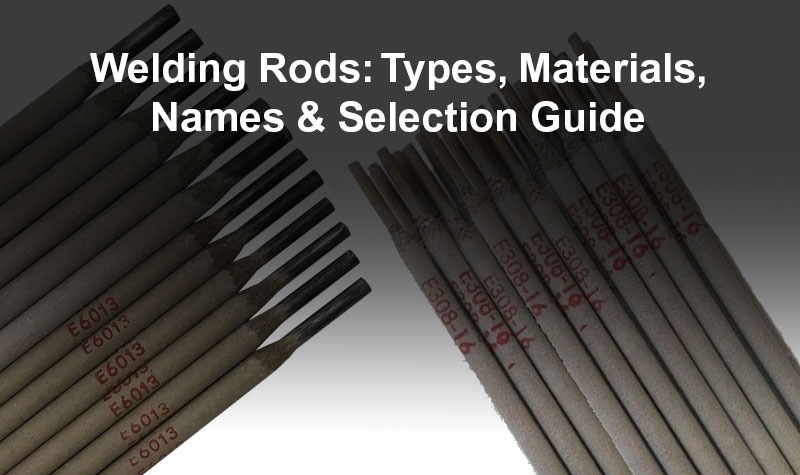
The letter “E” indicates that the rod is an electrode. The numbers that follow usually show tensile strength and welding position. For example, a rod marked E6013 is suitable for general-purpose welding and offers moderate strength. A rod marked E7018 provides higher strength and is designed for low-hydrogen welding.
Understanding these codes helps users select the correct welding rod without guessing or relying on trial-and-error.
How to Select the Right Welding Rod
Selecting the right welding rod depends on several practical factors.
- Base Metal Type: The welding rod should match the base metal. Steel rods for steel, stainless rods for stainless steel and so on.
- Welding Position: Some rods perform better in flat positions, while others are suitable for vertical or overhead welding. This should be considered before selection.
- Strength Requirements: Heavy structures and load-bearing joints require stronger rods. Low-hydrogen rods are often preferred for such applications.
- Working Conditions: Outdoor welding, moisture exposure and temperature changes can affect weld quality. The welding rod should be chosen to handle these conditions.
Common Mistakes in Welding Rod Selection
Choosing the right welding rod is as important as the welding process itself. Many welding issues occur due to avoidable mistakes made during rod selection. Some of the most common ones include:
- Using a general-purpose welding rod for all applications, which often results in weak or unreliable joints
- Improper storage of welding rods, allowing them to absorb moisture and affect weld quality
- Ignoring manufacturer guidelines printed on welding rod packaging
- Overlooking the recommended current range and usage conditions
- Failing to match the welding rod with the base metal and the working environment
Avoiding these mistakes helps improve weld strength, performance and overall reliability.
Why Quality Matters
The quality of a welding rod directly affects weld strength and consistency. Poor-quality rods can cause unstable arcs, excessive spatter and weak joints. Choosing a trusted manufacturer reduces these risks.
Superon Technik is known for manufacturing a wide range of welding consumables to consistently high quality standards. Our welding rods are designed to deliver smooth welding, controlled hydrogen levels and reliable mechanical properties. This makes us suitable for both routine fabrication and demanding industrial applications.
Conclusion
Welding rods play a vital role in the success of any welding job. Understanding welding rod types, their materials and naming systems helps prevent common welding failures. The right welding rod improves joint strength, durability and safety. By making informed choices and using quality products, welders can achieve reliable and long-lasting results across different applications.