Arc welding is one of the most widely used welding techniques in industries such as construction, shipbuilding, automotive, aerospace, fabrication, and heavy engineering. It is preferred because it can join metals quickly and reliably, with strong mechanical properties. To understand the full potential of the arc welding process, it is important to know how it works and the many different types available. Many professionals choose Superon's quality consumables to achieve consistent, clean welds across various applications.
What Is Arc Welding?
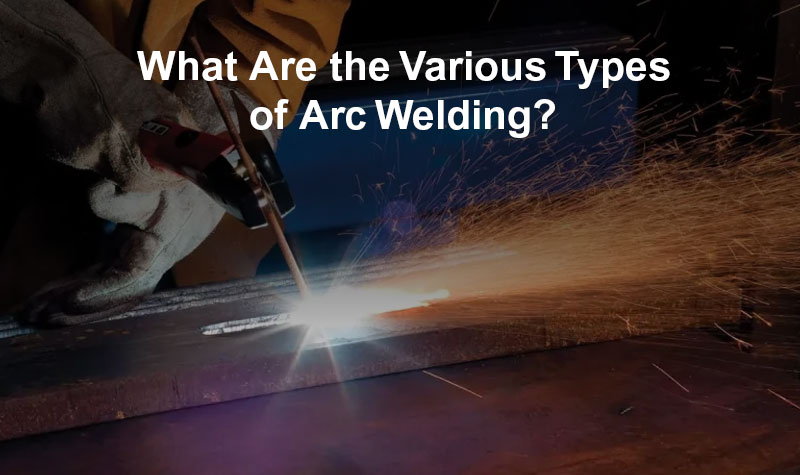
Arc welding is a technique that uses an electric arc to melt and join two pieces of metal. When an electric arc forms between the electrode and the base metal, temperatures can reach 3500°C. This high heat melts the edges of the workpieces and filler material (if used). When the molten metal cools, it forms a strong, solid weld joint.
There are two types of electrodes in metal arc welding:
- Consumable electrodes – these melt and become part of the weld
- Non-consumable electrodes – these do not melt; they only create the arc
The arc welding process can use AC or DC power depending on the method used.
Major Types of Arc Welding
There are many types of arc welding, and each one is used for specific applications depending on metal thickness, position, and the required weld quality. Below are the most popular methods used across industries.
1. Shielded Metal Arc Welding (SMAW or Stick Welding)
This is one of the most common and basic forms of metal arc welding. SMAW uses a flux-coated consumable electrode. The arc melts both the electrode and the base metal to form the weld pool. When the flux melts, it creates a protective gas and slag layer that prevents contamination. Stick welding is simple, cost-effective, and suitable for outdoor and windy conditions.
2. Gas Metal Arc Welding (GMAW or MIG/MAG Welding)
In this method, a continuous wire electrode is fed through a welding gun. Shielding gas protects the weld area from contamination. MIG uses inert gas, while MAG uses active gas. This process is clean, fast, and great for thin metals, automotive work, and fabrication shops.
3. Flux Cored Arc Welding (FCAW)
FCAW is similar to MIG welding but uses a tubular wire filled with flux. There are two types:
Self-shielded FCAW – no external gas required
Gas shielded FCAW – uses shielding gas
This method provides deep penetration and high deposition rates, making it ideal for heavy structural work, shipyards, and thick metal welding.
4. Gas Tungsten Arc Welding (GTAW or TIG Welding)
TIG welding uses a non-consumable tungsten electrode and an inert gas such as argon. It can be used with or without filler metal. TIG welding creates clean, high-precision welds. It is popular for stainless steel, aluminium, and thin sheet metal. However, TIG requires more skill and offers slower welding speeds.
5. Plasma Arc Welding (PAW)
This process is similar to TIG welding but uses a constricted plasma arc that is much hotter and more focused. It produces narrow, deep, and precise welds, suitable for aerospace components and stainless steel parts.
6. Carbon Arc Welding
This is one of the oldest arc welding methods. It uses a non-consumable carbon electrode to create the arc. Although rarely used today due to modern alternatives, it helped shape today’s welding processes.
7. Submerged Arc Welding (SAW)
SAW uses a continuous electrode and a blanket of flux powder that covers the arc during welding. This provides clean, deep penetration and high productivity. It is ideal for welding long seams, such as those on pressure vessels, pipes, and beams. The flux prevents spatter and fumes, making it suitable for automated welding systems.
8. Atomic Hydrogen Welding
This advanced welding technique uses two tungsten electrodes and hydrogen gas. Hydrogen breaks into atoms and releases a lot of heat when it recombines. While the method produces extremely strong welds, it is not widely used today because it is expensive and complex.
9. Electroslag Welding
This method welds very thick vertical materials by melting the edges using electric current and molten slag. It is commonly used for large steel plates, heavy machinery, and construction components.
10. Drawn Arc Stud Welding
This technique joins a metal stud to a base metal using an electric arc. The stud is lifted to form an arc, then pressed into the molten pool to create a strong weld. It is used in construction, automotive manufacturing, and shipbuilding.
11. Capacitor Discharge Stud Welding
In this method, a capacitor releases stored energy to form a quick arc. It is perfect for thin sheet metals because it produces clean welds with minimal marking on the back side.
Where Is Arc Welding Used?
The arc welding process is widely used across almost every major industry because of its versatility and strength. You’ll find it in automotive and motorsports work, aerospace and aviation, shipbuilding, oil and gas pipelines, bridge and structural steel fabrication, heavy machinery manufacturing, railways, pressure vessels, storage tanks, and general fabrication or repair tasks. Its ability to create strong, durable joints makes it the preferred choice for building and maintaining critical metal structures.
Conclusion
Understanding the types of arc welding helps welders and manufacturers select the right method for their application. Each process has unique advantages, limitations, and use cases. Whether it is MIG for speed, TIG for precision, or SMAW for outdoor use, arc welding remains an essential part of modern metal fabrication. With high-quality consumables from Superon and the right welding practices, professionals can achieve clean, strong, and long-lasting welds across different metals and industries.