
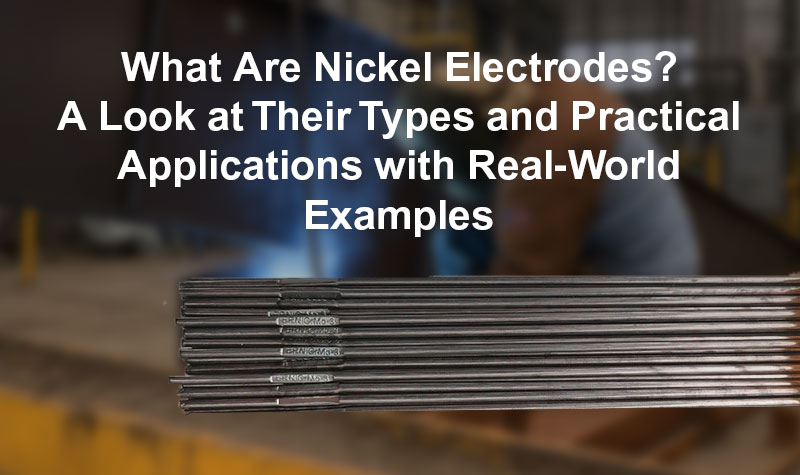
Nickel electrodes play a dependable role in both electrical and industrial systems. Their high-temperature strength and corrosion resistance make them suitable for demanding environments. From rechargeable batteries to large-scale manufacturing processes, they support stable current flow. Understanding their types and uses offers a clearer view of their practical value.
Understanding Nickel Electrodes
If you are wondering what nickel alloy electrodes are, the answer is simple. These electrodes are specially designed welding rods that contain nickel as the primary element. They blend nickel with other metals to increase strength and performance. Nickel electrodes melt smoothly, providing high-quality weld beads and reducing defects such as cracking or porosity.
Nickel electrodes are also suitable for welding dissimilar metals. When two metals have different chemical properties, traditional welding rods fail to create a stable joint. Nickel electrodes bridge this gap, forming strong connections that stay intact even under challenging conditions.
Key Advantages of Nickel Electrodes
Nickel electrodes are preferred across industries because of the following benefits:
- High corrosion resistance: They withstand chemical exposure, moisture, and extreme environments.
- Excellent high-temperature strength: Nickel does not easily deform at high heat.
- Smooth welding performance: They provide stable arcs and clean weld beads.
- Suitable for dissimilar metal welding: Ideal for joining steel, cast iron, and nickel alloys.
- Long service life: Welded joints last longer with minimal wear or damage.
These advantages make nickel electrodes a dependable solution for heavy industries and critical engineering applications.
Types of Nickel Electrodes
Understanding the different types helps users decide which nickel welding rod to use based on their project needs. Here are the most common types:
1. Nickel-Based Electrodes
Super Optimal Ni-1 contain a high nickel content and are used for welding nickel alloys, stainless steels, and heat-resistant steels. They offer excellent mechanical strength, corrosion resistance, and resistance to cracking.
Best for: Chemical plants, refineries, boilers, pipelines, and furnace components.
2. Nickel Copper Electrodes
Super Optimal NiCu-7 electrodes combine nickel with copper to improve corrosion resistance, especially in environments with acids and seawater. They are also resistant to stress corrosion cracking and pitting.
Best for: Marine structures, desalination equipment, and pumps that handle acidic fluids.
3. Inconel Electrodes
Inconel electrodes are widely used for repairing cast iron and welding castings. They offer smooth welding characteristics and minimise cracking.
Best for: Machinery repair, automotive parts, and industrial cast components.
Real World Applications of Nickel Electrodes
Nickel electrodes are widely used in India and worldwide. Their strength and corrosion resistance allow them to be used in industries where most other welding rods fail.
-
Shipbuilding
Ships operate in marine environments where components are constantly exposed to saltwater. Nickel electrodes offer the corrosion resistance required to weld hull sections, decks, pipes, and machinery. Their durability ensures strong joints that survive harsh sea conditions.
-
Wastewater Treatment
Many components used in wastewater plants are exposed to chemicals, moisture, and biological waste. Nickel electrodes help produce welds that remain stable and corrosion-resistant, reducing long-term maintenance costs.
-
Aerospace and Aviation
The aerospace industry relies on materials that can withstand high pressure, temperature swings, and constant vibration. Nickel electrodes are used to weld critical components such as engine parts, exhaust systems, and structural frames because of their high-temperature strength.
-
Manufacturing and Heavy Engineering
Nickel electrodes play an important role in welding stainless steel and nickel alloys used in manufacturing machinery, furnaces, valves, and tooling equipment. Their heat resistance and malleability make them suitable for high-stress applications.
Why Nickel Electrodes Are Preferred
Here is why nickel electrodes stand out across industries:
- They prevent cracking while welding hard-to-join metals.
- They deliver clean and stable welds even in demanding conditions.
- They work well for repair, maintenance, and new fabrication.
- They offer versatility for a wide variety of metal types.
Because of these qualities, nickel electrodes have become essential for modern engineering and industrial development.
Choosing the Right Nickel Electrode
To select the right nickel electrode for your operation, consider the following factors:
- Base metal type: Choose an electrode that matches or complements the parent material.
- Operating temperature: High-heat environments require nickel-rich electrodes.
- Corrosion exposure: Nickel-copper electrodes are best for acidic or marine environments.
- Welding position and process: Select an electrode that suits your welding equipment and welding position.
- Mechanical strength requirements: Use nickel-iron electrodes for cast iron and repair work.
When in doubt, consult welding experts to identify the most reliable electrode for your application.
Superon’s Contribution to Nickel Electrode Technology
Superon Technik offers a high-quality range of nickel electrodes that are durable, reliable, and perform well. With strong R&D practices and precise manufacturing, the company delivers electrodes that work efficiently in demanding environments. Whether for industrial fabrication, repair welding, or specialised engineering applications, Superon provides dependable nickel electrode solutions trusted by professionals.
Conclusion
Nickel electrodes are versatile welding tools used in critical industrial operations, including shipbuilding, wastewater treatment, manufacturing, and aerospace. Understanding what nickel alloy electrodes are and knowing what nickel welding rod is used for helps industries choose the right welding consumables. By offering strength, corrosion resistance, and high-temperature performance, nickel electrodes ensure strong, long-lasting welds in all applications.