
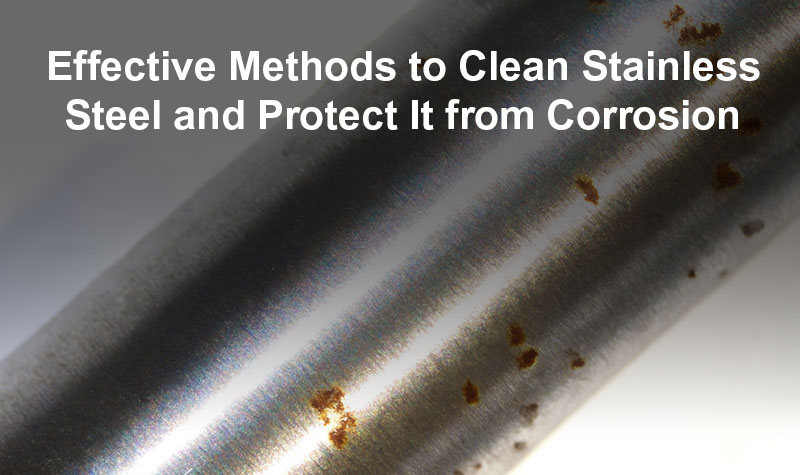
Stainless steel is widely used across fabrication, welding, construction, food processing, and industrial manufacturing because of its strength, hygiene, and corrosion resistance. Although stainless steel is known for durability, it is not maintenance-free. Regular cleaning, proper handling, and surface protection are essential to preserving its appearance, performance, and long service life. Understanding the correct cleaning methods helps prevent staining, surface rust, and premature corrosion in both indoor and outdoor environments.
Why Stainless Steel Still Needs Regular Cleaning?
Stainless steel resists corrosion, but it is not immune to it. Dirt, grease, salt, chemicals, and metal particles can settle on the surface and damage its protective layer over time, making the use of effective SS cleaning solutions essential for long-term protection. When stainless steel is not cleaned regularly, staining, surface rust, and corrosion can develop, especially in aggressive environments such as coastal areas, food processing units, and industrial plants.
Regular cleaning removes contaminants before they can damage the surface and helps stainless steel retain its strength and clean finish.
Understanding the Passive Layer in Stainless Steel
All stainless steel grades contain chromium. When chromium reacts with oxygen, it forms a thin protective film known as the passive layer. This layer prevents moisture and oxygen from reaching the metal beneath it, helping prevent corrosion from spreading.
The passive layer is self-healing. If it is damaged by scratches or light abrasion, chromium reacts with oxygen again, reforming the protective layer. Stainless steel begins to rust only when this layer is damaged and cannot reform properly due to contamination or chromium depletion.
Common Causes of Corrosion in Stainless Steel
Stainless steel corrosion usually occurs when the passive layer is disturbed. Common causes include:
- Chlorides from salt spray, seawater, or de-icing salts
- Strong acids such as hydrochloric or sulfuric acid
- Iron or carbon steel particles from cutting, grinding, or welding nearby
- High temperature exposure during welding leads to sensitisation
- Mechanical damage such as scratches, dents, or impact
Understanding these causes helps us apply the right cleaning and protection methods.
Best Practices for Handling Stainless Steel
Correct handling significantly reduces contamination and the risk of early corrosion. Recommended practices include:
- Wear clean gloves to avoid fingerprints and oils
- Use stainless steel tools where possible.
- Keep stainless steel away from carbon steel operations.
- Avoid grinding or cutting carbon steel near stainless steel.
- Do not use steel wool or abrasive pads.
- Avoid chloride-based cleaners and detergents.
Simple handling discipline makes a significant difference in the longevity of stainless steel.
What Cleans Stainless Steel Effectively?
Many users ask what cleans stainless steel without damaging the surface. The safest and most effective options include:
- Mild soap or detergent with warm water
- Clean microfiber or soft cotton cloths
- Nylon brushes for stubborn dirt
- Stainless steel-specific cleaning solutions
These options remove dirt and grease while protecting the passive layer. Harsh chemicals, abrasive cleaners, and bleach should never be used as they damage the surface and accelerate corrosion.
How to Wash Stainless Steel Properly?
Understanding how to wash stainless steel correctly ensures long-term corrosion protection. The recommended steps are:
- Rinse the surface with clean water to remove loose dirt
- Wash using warm water and mild detergent
- Gently wipe with a soft cloth following the grain direction
- Rinse thoroughly to remove detergent residue
- Dry completely using a soft cloth or air blower
Leaving moisture on the surface can cause water marks and promote corrosion, so drying is essential.
Routine Stainless Steel Cleaning Schedule
Routine maintenance keeps stainless steel in good condition. Cleaning at least once every six months is recommended, with more frequent cleaning in harsh or coastal environments. Routine cleaning prevents the accumulation of corrosive contaminants and maintains the surface finish.
Advanced Cleaning Methods for Stains and Damage
Sometimes routine cleaning is not enough. Different types of stains require specific solutions.
Fingerprints
Fingerprints can be cleaned using soap and warm water. For stubborn marks, use stainless steel cleaners or hydrocarbon solvents applied with a soft cloth.
Oil and Grease Marks
Oil and grease can be removed using isopropyl alcohol, acetone, or methylated spirit. Apply the solvent gently using a clean cloth until the marks disappear.
Burnt On Stains
Soak the affected area in hot water with mild detergent or diluted ammonia. Use a nylon brush to loosen residue. Rinse and dry thoroughly.
Discolouration, Coffee, and Tea Stains
Use non-abrasive cleaners with a soft cloth. Baking soda mixed with warm water works well for coffee stains. Washing soda solution helps remove tea stains.
Localised Rust Stains
Apply the oxalic acid solution with a soft cloth and leave it for a few minutes. Rinse thoroughly with clean water to remove all residue.
Limescale, Cement, and Mortar Splashes
Limescale can be removed using a diluted vinegar solution. Cement and mortar splashes should be removed immediately using phosphoric acid-based cleaners, then neutralised and rinsed.
Heat Stains
Heat stains can be removed using domestic metal polish. Treat the entire surface evenly to avoid a patchy appearance.
Structural Damage and Corrosion
Dents, cracks, and heavy corrosion should be addressed immediately. Minor corrosion can be cleaned with light lubricants, then rinsed. Moderate corrosion requires phosphoric acid-based stainless steel cleaners. Professionals should handle severe corrosion.
Passivation and Its Role in Corrosion Protection
Passivation enhances stainless steel corrosion resistance by strengthening the passive layer. It removes free iron and surface contaminants that interfere with the formation of chromium oxide.
The passivation process involves two key stages:
Cleaning
The surface must be completely clean before passivation. Contaminants, scale, and foreign particles must be removed using chemical or mechanical methods.
Passivating Treatment
The stainless steel is treated with nitric acid, nitric acid with sodium dichromate, or citric acid, depending on grade and application. This treatment restores the chromium-rich surface and maximises corrosion resistance.
Passivation is especially important after machining, welding, or heavy fabrication.
How Regular Maintenance Extends Stainless Steel Life?
Stainless steel delivers a long service life only when properly maintained. Regular cleaning, careful handling, prompt stain removal, and periodic passivation work together to protect the passive layer.
Environmental exposure, chemicals, salt, and mechanical damage slowly degrade stainless steel if left unattended. Maintenance prevents small issues from turning into costly failures and keeps stainless steel performing reliably across industrial and commercial applications.
Conclusion
Stainless steel offers long-term strength and corrosion resistance only when maintained correctly. By using appropriate cleaning methods, following correct washing practices, and applying regular maintenance schedules, stainless steel remains clean, durable, and reliable.
For consistent corrosion protection and dependable surface care, Superon Technik offers a complete range of welding consumables, industrial maintenance auxiliaries, and surface protection solutions designed to meet the requirements of professional fabrication and industrial applications.